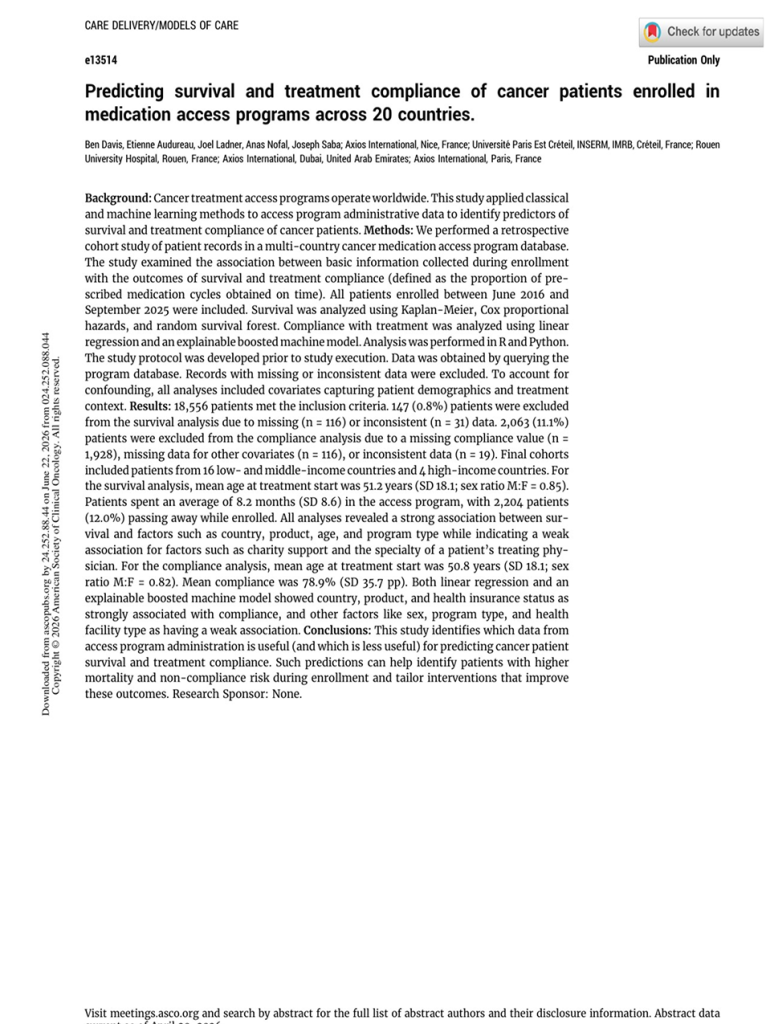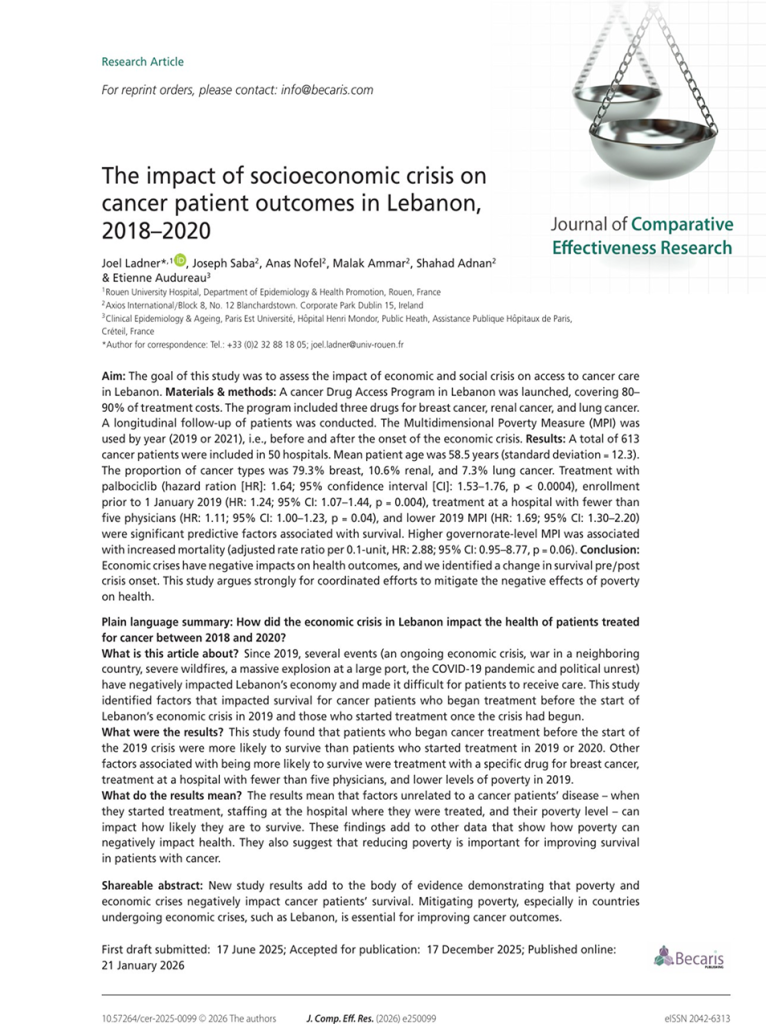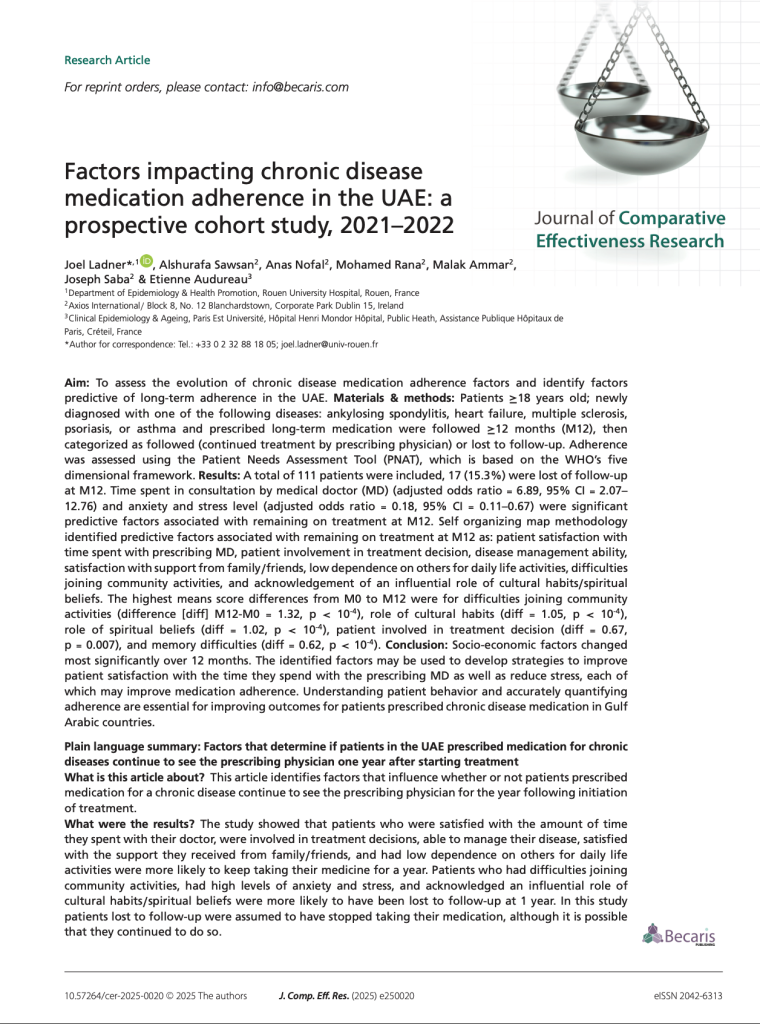

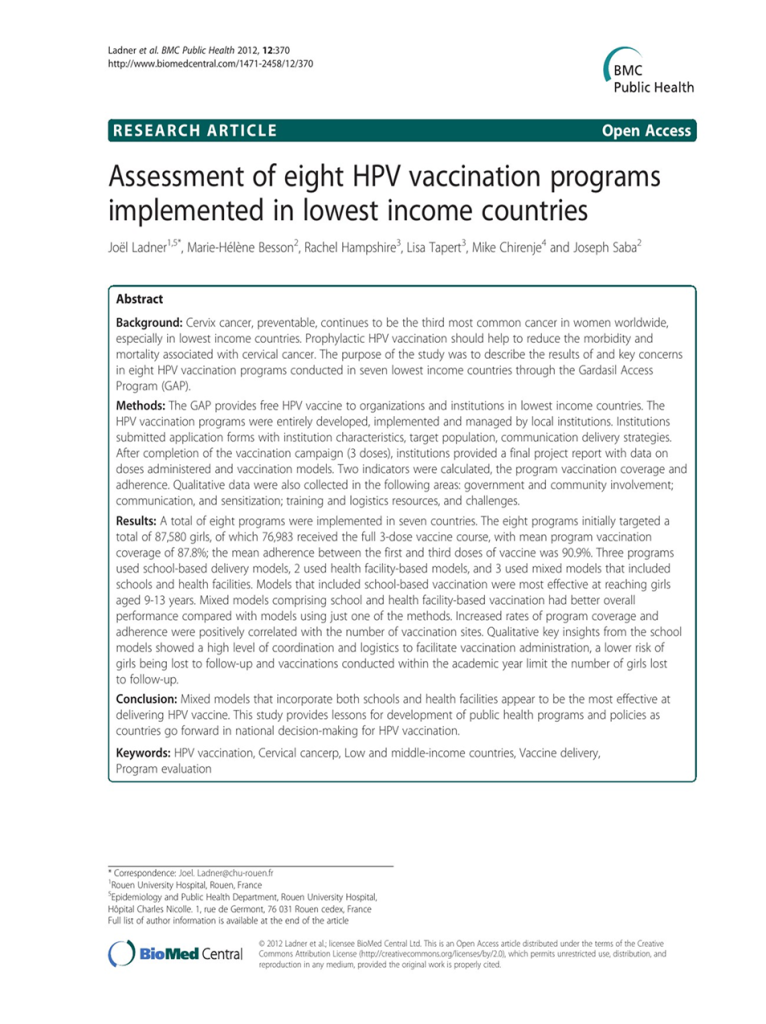
This study evaluated eight HPV vaccination programs run in seven low-income countries through the Gardasil Access Program, which provided free vaccine doses to local organizations to protect girls against the virus responsible for most cervical cancer. Programs used one of three delivery approaches — vaccinating at schools, at health facilities, or through a combination of both — and the study compared how well each approach reached girls and got them through the full three-dose vaccine series.
Publication
Assessment of Eight HPV Vaccination Programs in Low-Income Countries
Ladner J, Besson MH, Hampshire R, Tapert L, Chirenje M, & Saba J.
BMC Public Health
Published
Key Takeaways
This study evaluated eight HPV vaccination programs run in seven low-income countries through the Gardasil Access Program, which provided free vaccine doses to local organizations to protect girls against the virus responsible for most cervical cancer. Programs used one of three delivery approaches — vaccinating at schools, at health facilities, or through a combination of both — and the study compared how well each approach reached girls and got them through the full three-dose vaccine series.
- Across all eight programs, an average of 88% of targeted girls received the complete three-dose vaccine series, and about 91% of girls who started the series finished it
- Programs that combined school and health facility vaccination performed best overall, reaching more girls and keeping more of them on track for all three doses than either approach alone
- School-based vaccination was especially effective at reaching girls in the recommended 9–13 age range, since younger girls don’t typically interact with the health system on their own
- Having more vaccination sites was linked to better results, suggesting that local organizations in low-resource settings can successfully run larger-scale vaccination campaigns when given adequate support and infrastructure
Resources
Recent Publications