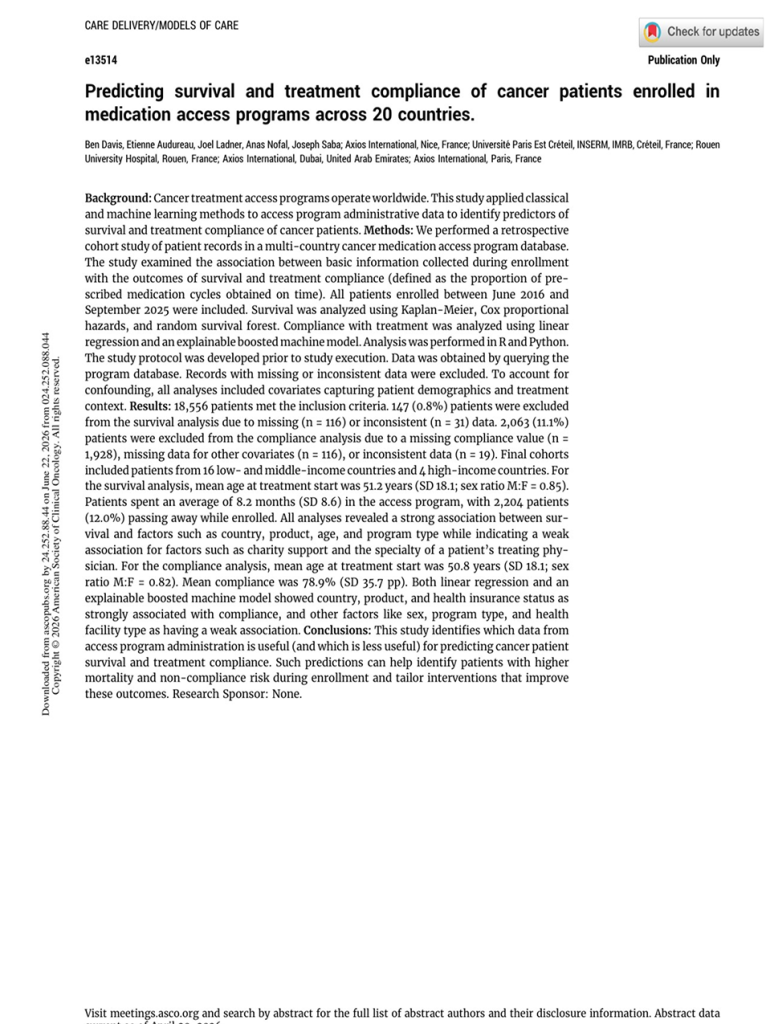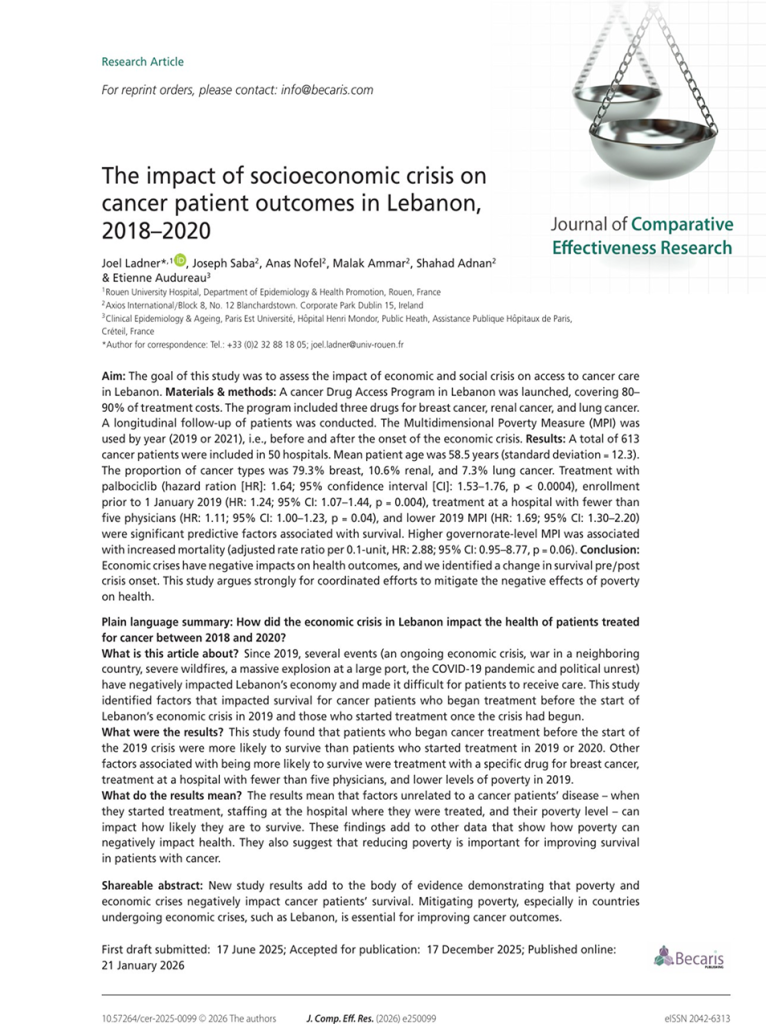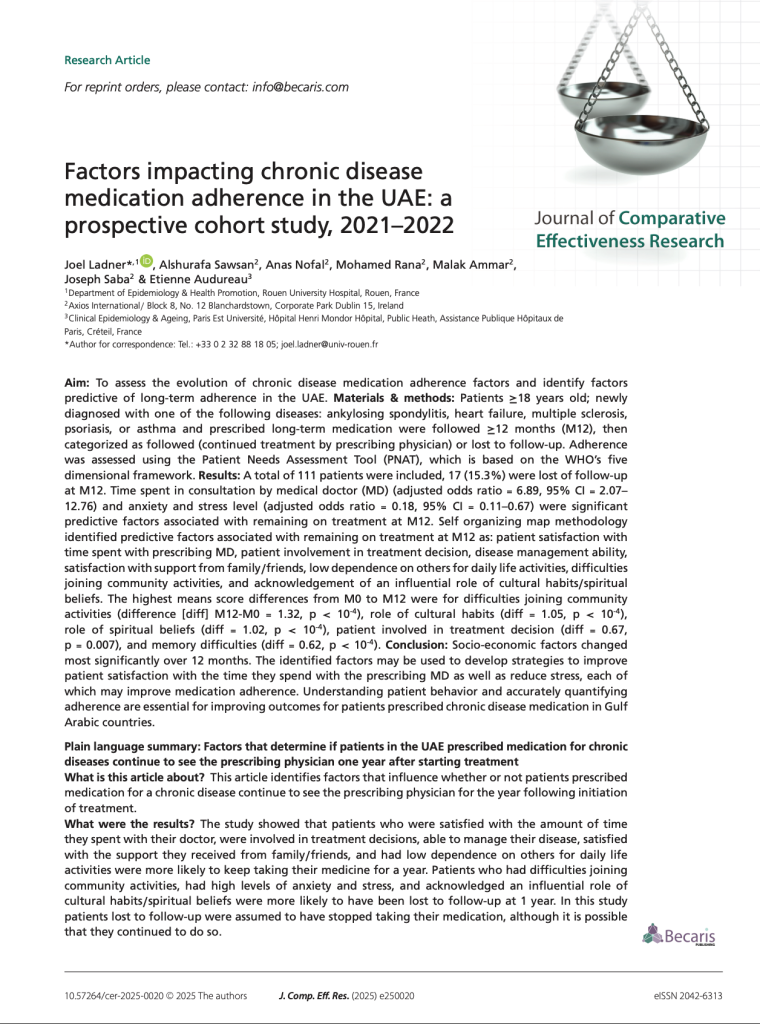

This Axios International issues paper lays out the scale of the cancer crisis in low- and middle-income countries and highlights Axios’s own work in breast and cervical cancer, the two cancers where the organization has built the deepest expertise. It argues that despite widespread fatalism about treating cancer in resource-poor settings, the lessons of the global HIV/AIDS response prove that prevention, early detection, and treatment are achievable almost anywhere, and it proposes a differential-pricing business model to bring pharmaceutical companies into the effort.
Publication
Cancer Treatment and Care in Developing Countries
CanTreat International
Published
Key Takeaways
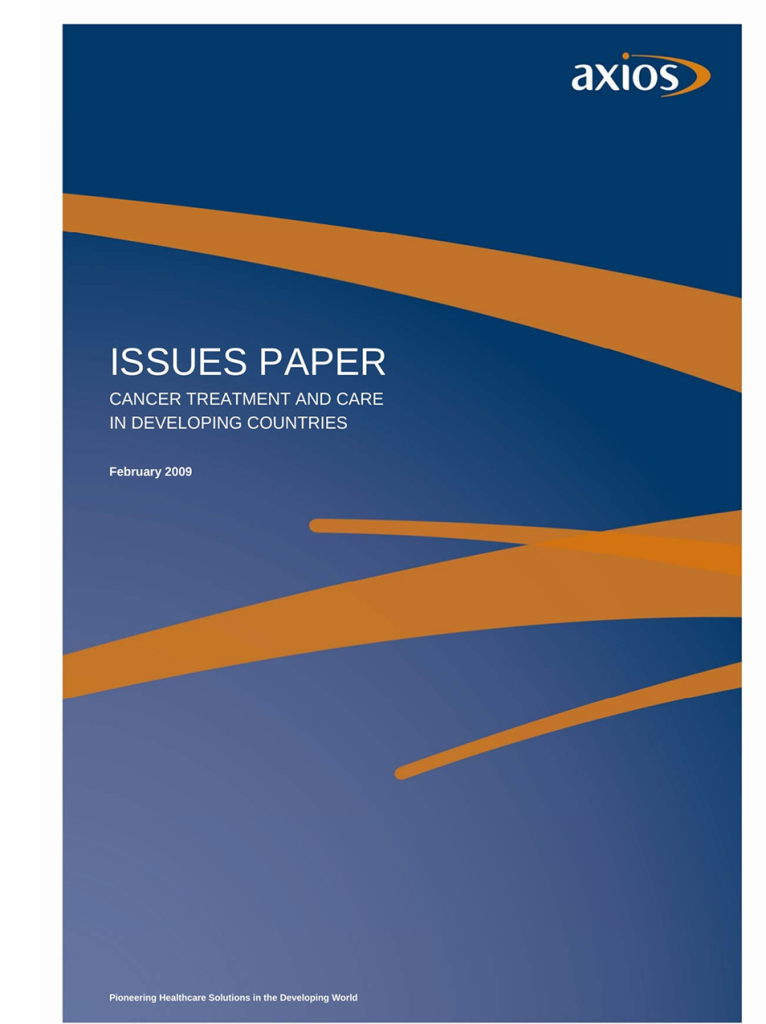
This Axios International issues paper lays out the scale of the cancer crisis in low- and middle-income countries and highlights Axios’s own work in breast and cervical cancer, the two cancers where the organization has built the deepest expertise. It argues that despite widespread fatalism about treating cancer in resource-poor settings, the lessons of the global HIV/AIDS response prove that prevention, early detection, and treatment are achievable almost anywhere, and it proposes a differential-pricing business model to bring pharmaceutical companies into the effort.
- Cancer already kills more people in developing countries each year than AIDS, tuberculosis, and malaria combined, and while only 5% of global cancer resources are spent in these countries, the death rate there is projected to rise more than five times faster than in wealthy nations by 2020.
- Survival gaps are stark: five-year survival for breast cancer is 81% in the U.S. versus 32% in sub-Saharan Africa, largely because 78-80% of patients in developing countries aren’t diagnosed until their disease is already advanced.
- Low-tech, affordable solutions already work: nurse-administered breast exams, vinegar-based visual screening for cervical cancer, and cryotherapy (95% effective, needs no electricity) can all be delivered in basic primary care settings by trained nurses.
- Axios’s own Ethiopia pilot illustrates what’s possible: a country that started with just one cancer specialist and one radiotherapy unit for 72 million people built a full breast cancer center of excellence that screened, diagnosed, or treated over 3,600 patients by the end of 2008.
- The paper proposes a “differential pricing” model, in which pharmaceutical companies charge patients only what they can afford rather than a uniform global price, as a sustainable alternative to charity-based drug donation programs that are vulnerable to corporate budget cuts.
Resources
Recent Publications